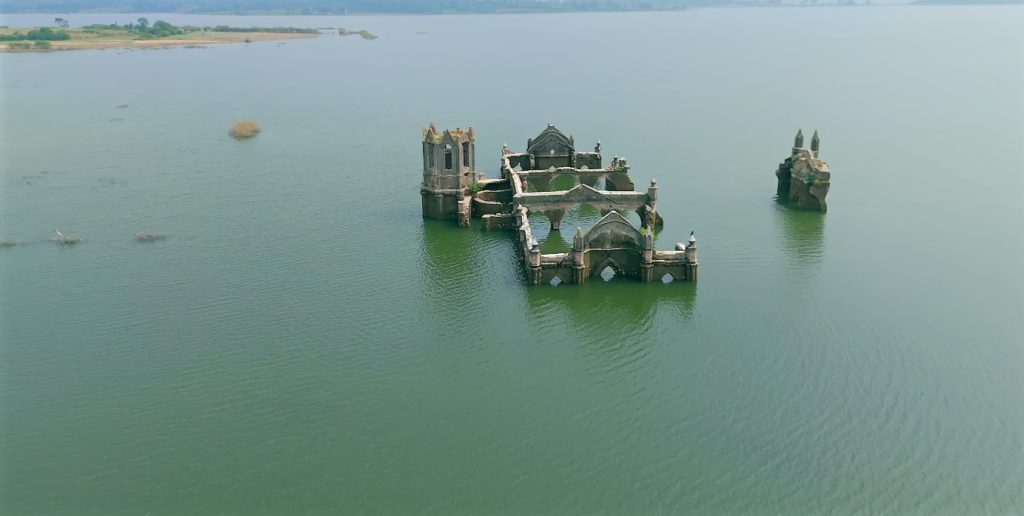
Have you ever noticed an item that experiences different shifts in seasons? A physical object that goes underwater & re-emerges after a few months becoming coated in vegetation and shrouded in enigma? If yes; then allow me to introduce you to Shettihalli Rosary Church; aka “Submerged Church” or “Floating Church.” Located in Hassan district of Karnataka, it dates back to the late 1800s; serves as a stunning monument relating the struggle between mankind’s creation versus the might of nature as one’s creation is destroyed by time/nature’s combined effects.
Part 1: The History – A French Legacy Under Water
To truly appreciate Shettihalli, you must understand its origins. The church wasn’t always a ruin.
The Gothic Beginnings:
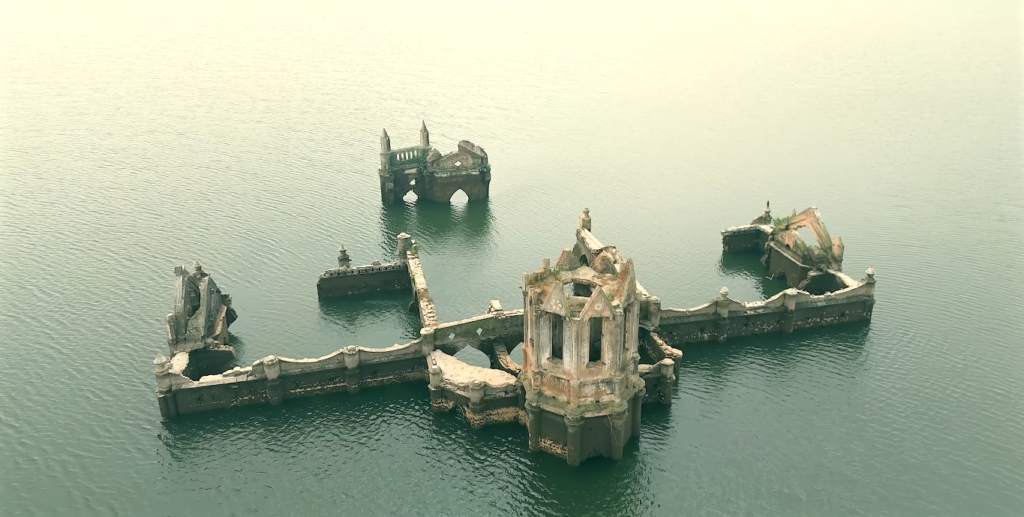
Constructed during the 1860s by French priests, most notably by Father Abbé Dubois, the Rosary was the spiritual center of Shettihalli’s thriving Christian community at that time. By using Gothic revival architecture, the church has long stood as an excellent representation of that style, with its pointed arches, ribbed vaults, and tall spires. For almost 100 years after its construction, the Church remained a centre for worship, family and friendship – as well as providing a place to find peace.
The Great Submersion:
The church’s future changed for good in 1960. To help irrigate the Hassan district, the government constructed Hemavati Dam and Gorur Reservoir and many villages had to be moved. Shettihalli was one of those villages.
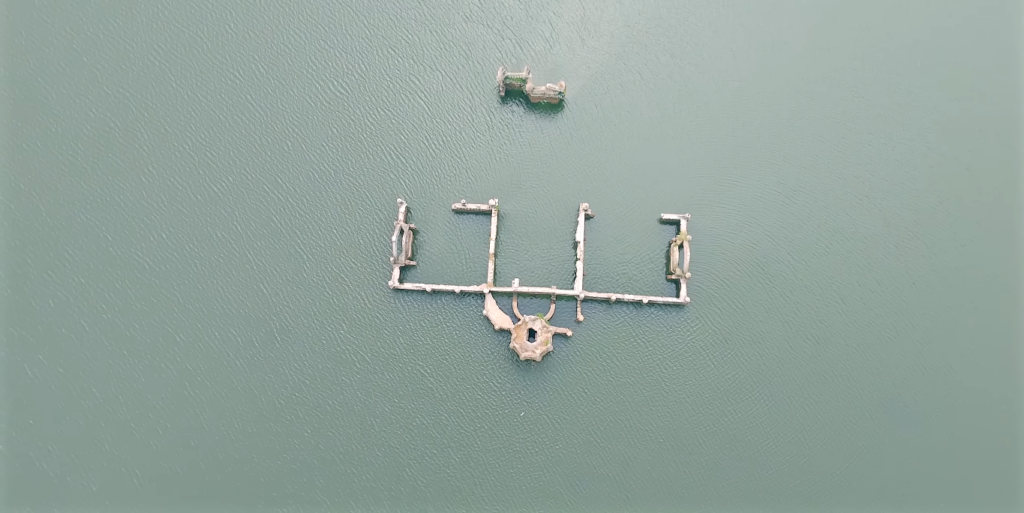
Most of the people from the village moved to higher ground while the church stayed put. As the reservoir filled with water, the church was left to the water. Since that time, the church has gone through a disappearing act each year (underwater during monsoon season and above water during summer months).
Part 2: The Two Faces of Shettihalli (When to Visit)
Unlike most tourist destinations, your experience at Shettihalli will depend entirely on when you go. There are two distinct “modes” to this location.
1. The Monsoon Experience (July – October)
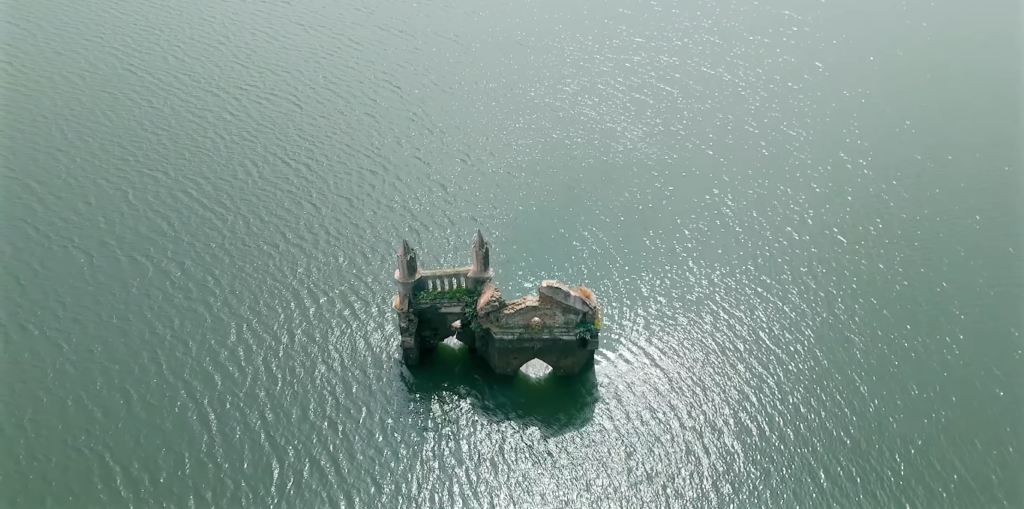
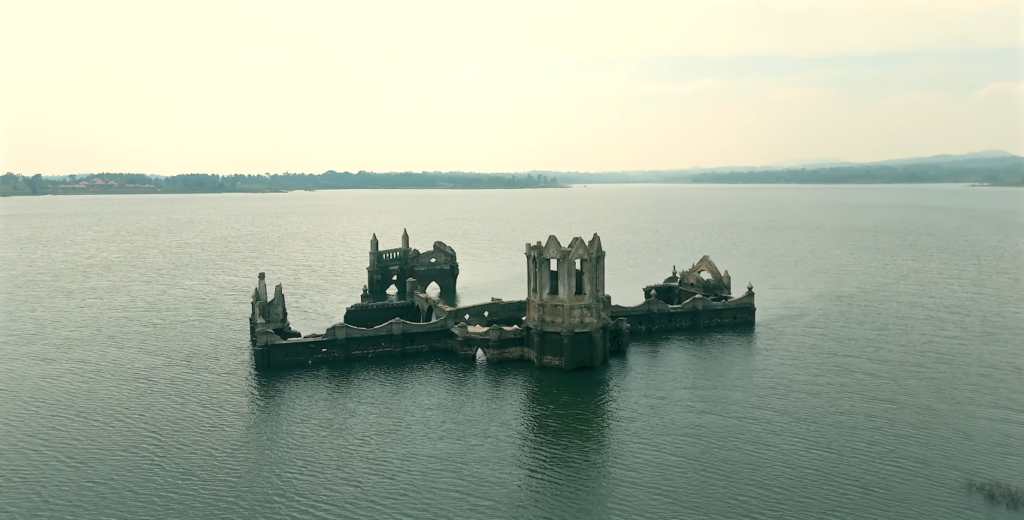
During the peak of the monsoon, the Gorur Reservoir reaches its full capacity. The church becomes partially submerged, with only the top third of its arches and spires peeking out from the water.
- The Vibe: Ethereal, mysterious, and cinematic.
- Activity: You can hire local fishermen to take you on a coracle (circular boat) ride through the flooded arches of the church.
2. The Summer Experience (December – May)
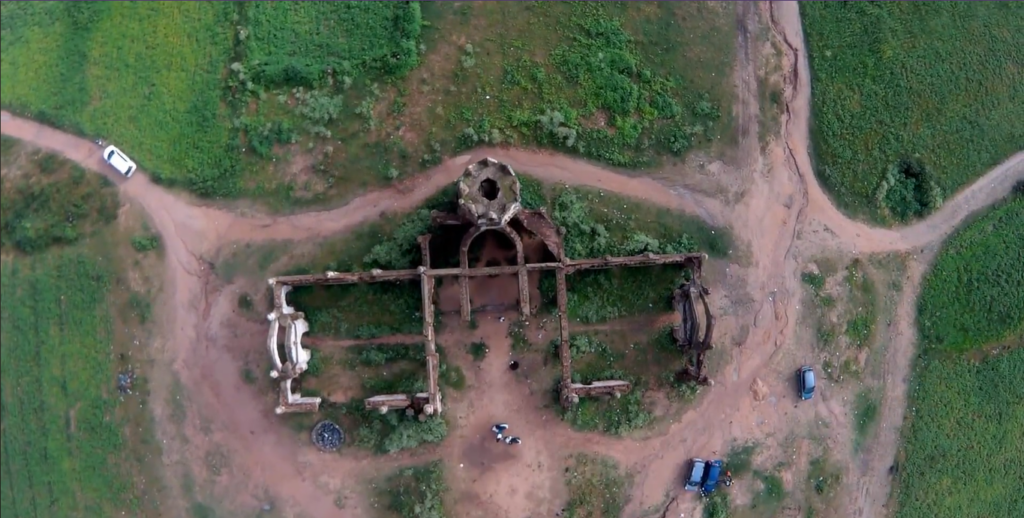
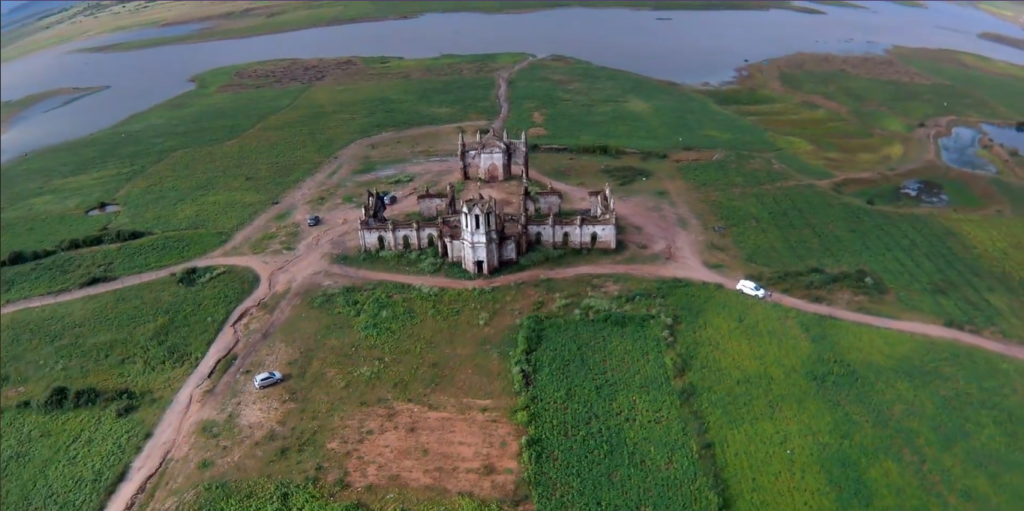
As the water recedes to irrigate the surrounding fields, the church stands completely on dry land.
- The Vibe: Haunting, skeletal, and expansive.
- Activity: You can walk right into the ruins, touch the weathered bricks, and explore the intricate Gothic details that are usually hidden underwater.
Step-by-Step Travel Itinerary
Traveling is fun, but it can also be challenging if you’re unfamiliar with the destination. Follow this guide to help make your trip successful.
Step 1: Getting To Shettihalli
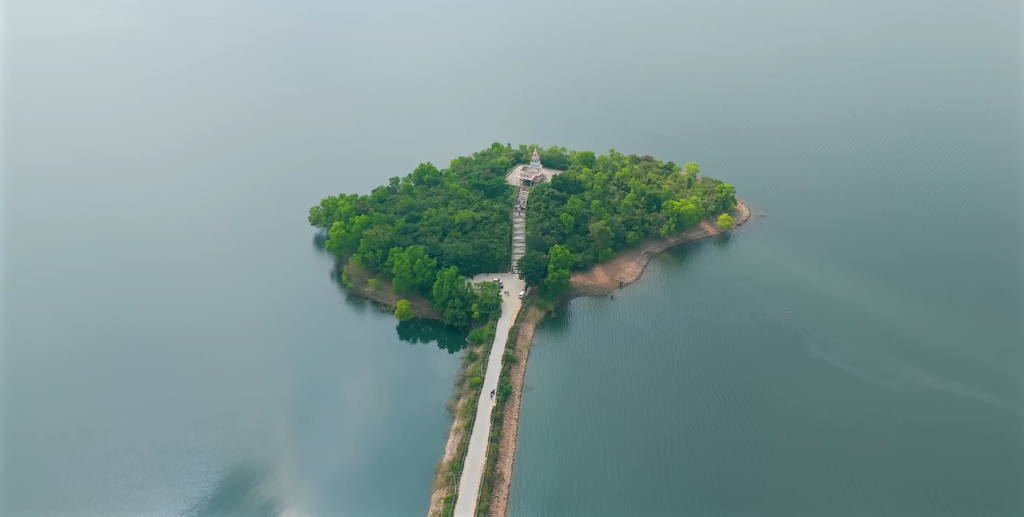
The distance from Bangalore to Shettihalli is approximately 200 kilometers and about 130 kilometers from Mysore.
By Car (Best Method Of Transport) – The drive from Bangalore to Shettihalli takes approximately 4 hours. You’ll travel along National Highway 75, which runs from Bangalore to Mangalore (NH75). The highways are well maintained and in great condition until you get to Hassan within a 4-km radius of Shettihalli.
By Train – If you take the train, you’ll arrive at Hassan Junction. From there you’ll need an auto-rickshaw or private vehicle to travel the 22 kilometers from Hassan Junction to the actual church.
Expert Local Tip: Stop for breakfast or lunch in Hassan city. There are several popular eateries on the highway like Empire Restaurant or Paakashala. Carry at least 2 liters of water and light snacks with you.
Step 3: Getting To The Ruins
The path to the church is dirt with a wide place (road) to drive on. In the summer you can drive almost right up to the ruins. When it’s wet (monsoon), you will need to park further back and walk to the edge of the water.
Step 4: Finding Your Way Around Inside
After you’ve seen the outside part of the ruins, when there are no rains you can have a look at the interiors. When you walk into the building you’ll notice the area where there are signs of where the water has been for most of the year. Even though some of the walls of the building have been submerged underwater for over 60 years, the wall and building are still standing and are a great example of engineering for the period. Mortar and brick was used to build the building in the 1800’s.
Photography Tips for Content Creators
You can take some wonderful pictures and also use a drone at Shettihalli. Below are some points to help you take the best possible pictures.
Arrive Early Evening Or Late Morning For Golden Hour: The best time to take your pictures is to either arrive at 6:30 a.m. for sunrise or stay until 5:30 p.m. for sunset. I recommend that you go to both times. The golden lighting coming through the arches that are broken looks magical, especially in the morning before the sun is fully up and later in the evening when the sun is starting to set.
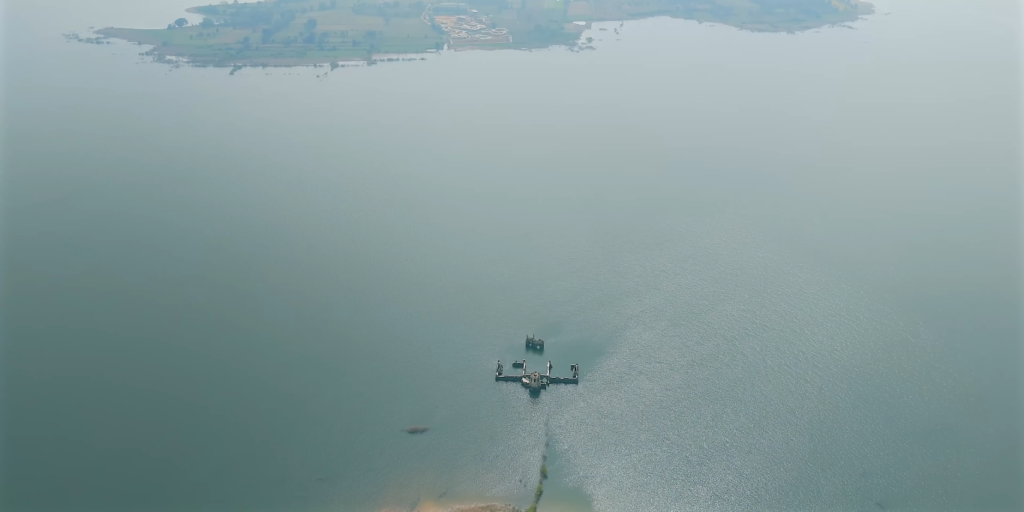
If You Have A Drone, Use It: If you have a drone, I highly recommend using it at Shettihalli. The pictures you take will show the church and the blue-water reservoir that surrounds it and you will get some great shots from the air. Observe all local regulations before using your drone!
Shoot Reflection Photos During The Monsoon: When it rains, the water in the reservoir becomes very calm and acts like a mirror. You should be very low when you take these types of photos so you can get the symmetrical view of the ruins and their reflection.
Local Tip
1. Safety First
The area around the church can be muddy and slippery. If the water is receding, the ground is often “quick-clay”—it looks solid but can sink under your weight. Wear sturdy trekking shoes with good grip.
2. No Facilities
There are no public toilets, changing rooms, or trash bins. As a responsible traveler, follow the “Leave No Trace” policy. Whatever you bring in (plastic bottles, wrappers), ensure you take it back out with you.
3. Respect the Ruins
While it is an abandoned site, it holds historical and sentimental value. Do not climb on the fragile arches or deface the walls with graffiti.
Nearby Attractions to Complete Your Trip
If you are driving all the way to Hassan, don’t stop at just the church. You can make it a full-day or weekend itinerary by adding these spots:
- Gorur Dam: The very dam responsible for the church’s submersion. It is a massive structure and a great spot for a quick photo op.
- Halebidu and Belur: Located about an hour away, these UNESCO World Heritage sites feature some of the most intricate stone carvings in India, dating back to the Hoysala Empire.
- Shravanabelagola: Home to the massive monolithic statue of Gommateshwara, one of the most important pilgrimage sites in Jainism.
The Emotional Impact – Why Visit?
Shettihalli offers a great perspective beyond history or photographs while offering us insight into how temporally designed mankind’s creations are; we can feel this when we stand inside the once-active Church of St. Mary Magdalene and watch as Mother Earth rebirths this building back into herself. The silence surrounding us is most profound; the only sounds that disrupt this silence are winds blowing through trees, and waves crashing on the shore of the reservoir.
Shettihalli is a destination that will remain with you, whether you are interested in historical sites, spiritual journeys, or looking for a quiet place away from bustling city life in Bangalore.
Summary Checklist for Your Trip:
- [ ] Check the Season: Monsoon (floating) vs. Summer (walking).
- [ ] Transport: Private vehicle is best.
- [ ] Food/Water: Carry your own; no shops nearby.
- [ ] Footwear: Trekking shoes/sandals with grip.
- [ ] Ethics: Take your trash back to the city.
Final Thought: The Shettihalli Rosary Church doesn’t just stand in the water; it stands in time. Every year it survives the submersion, it adds another chapter to its 160-year-old story. Don’t miss the chance to see it before nature eventually claims it for good.