
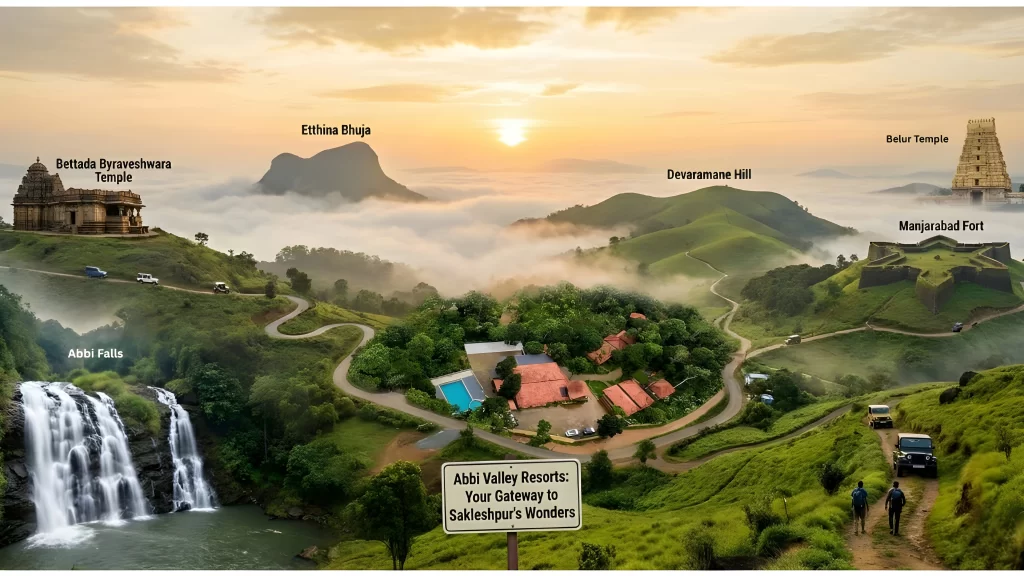
Most tourists will visit the renowned star-shaped Fort Manjarabad or get a quick view of the major waterfalls at Sakleshpur. However, by staying at Abbi Valley Resort, you will enjoy an additional benefit; you will already be immersed in the “real” Sakleshpur.
As we enter into 2026, the popular tourist destinations are becoming increasingly overrun with tourists. In an effort to keep you connected to the peaceful, soulful aspect of the Western Ghats, here we will present a local community’s perspective of our resort’s nearby hidden treasures.
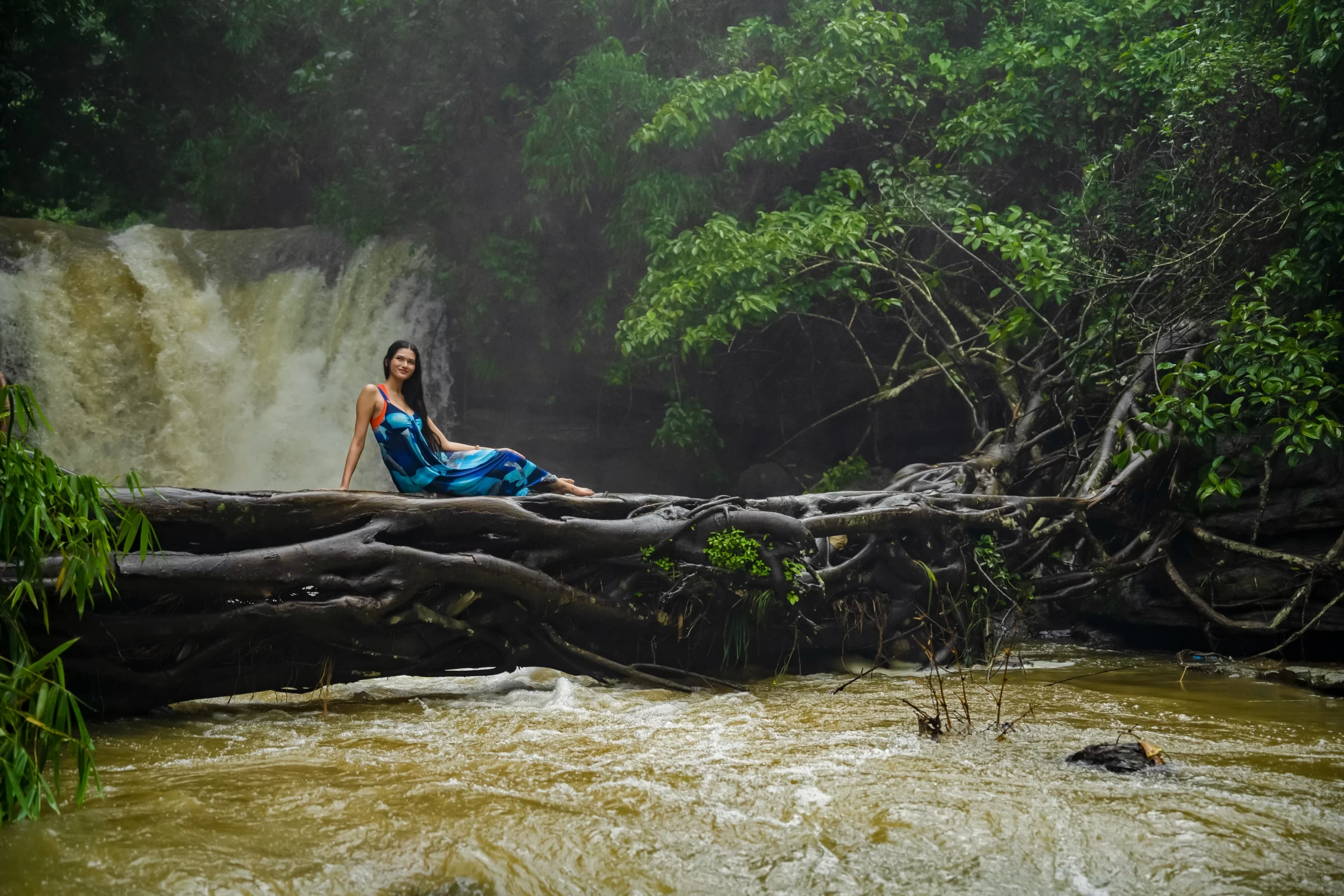
1. Magajahalli Falls: The “Early Bird” Strategy
Distance: ~500m from Abbi Valley Resort. “Early Bird” Strategy, which means you should walk from the Abbi Valley Resort to the Falls around 7:00 a.m. Since the Magajahalli Falls is very accessible, it tends to get crowded on Sunday afternoons, especially when many are trying to visit at the same time.
The Local Tip: When you visit during this period, the forest will be waking up; there will be plenty of birds making noise, and you’ll be able to have the entire waterfall to yourself (a true “early bird” special). You’ll truly feel like it’s your own personal sanctuary until the many tourists from all around the world come..
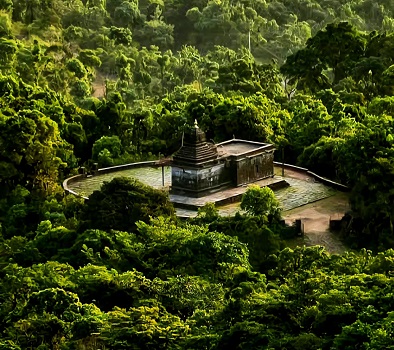
2.Bettada Byraveshwara: The Ancient Sentinel of the Western Ghats
When you stay with Abbi Valley Resorts, if you are interested in finding a destination that combines history, spirituality, and natural beauty like no other, then Bettada Byraveshwara is your next stop.
At a distance of around nine kilometers from our resort, Bettada Byraveshwara is more than just a temple; it is a viewing platform that provides some of the most spectacular scenery in Karnataka.
The Local Tip:
Make it Early: The best time to see the “magic” and avoid the larger crowds is by arriving by 6:00 AM. When you see the sun rising from such high above the Ghats, it will become part of your memory forever.
The Monsoons Are Great: While some paths might be slippery, when it rains (July to September), it is the best time for the hills to become a brilliant green colour.
Comfort Is Essential: While the paths are partially paved, you’ll want to wear comfortable walking shoes. There are many areas around the hills that can be easily hiked to them.
Combine Your Visit: You are just a short distance away from Abbi Valley Resorts, where after the visit to the temple in the morning, you will have ample time to enjoy a traditional Malnad lunch at the dining hall.
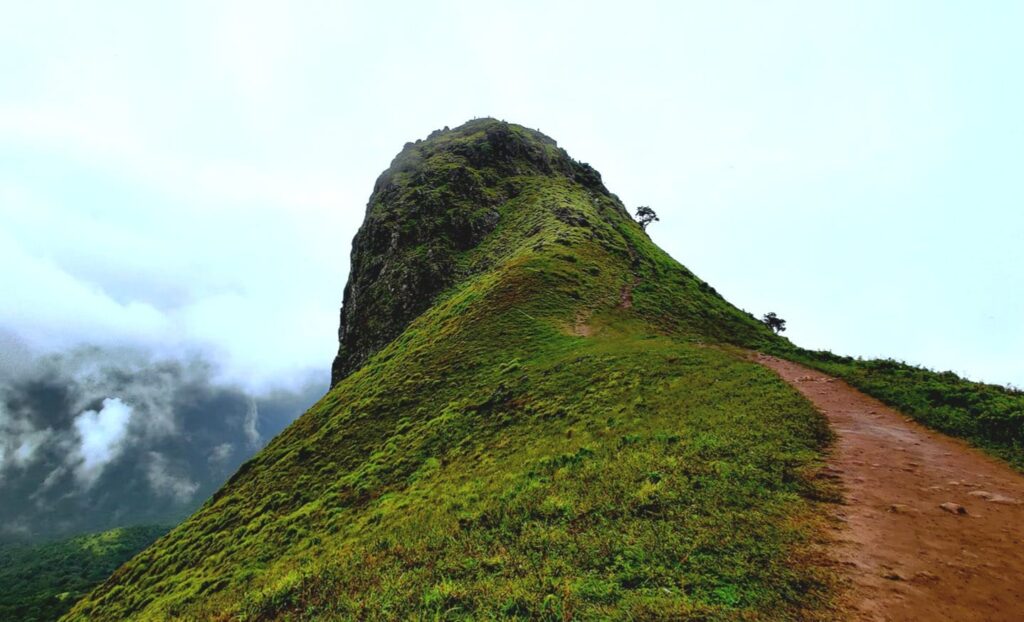
3. Etthina Bhuja: Conquering the “Ox’s Shoulder” of Sakleshpur
Etthina Bhuja (meaning “Ox’s Shoulder”) is a stunning trekking destination located just 15km from the Abbi Valley Resort. The peak has a moderate climb of 4km through the lush forests of Shola and misty grassland.
The 360 degree view from the summit, which usually sits above the clouds, is absolutely breathtaking. Anyone who enjoys taking photographs or just experiencing nature will appreciate the panoramic views that are available at this site. Beginning your trek at dawn allows you to complete your adventure before returning to the resort to enjoy a traditional Malnad meal.
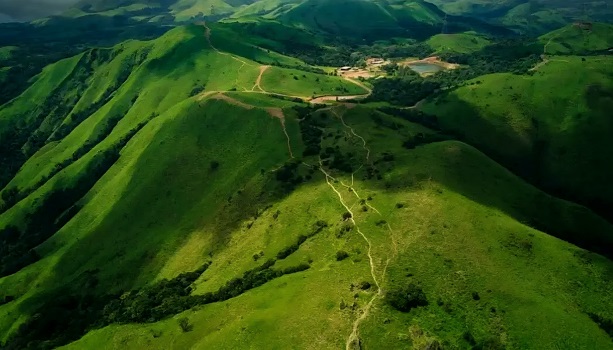
4. Devaramane Hill:
Devaramane Hill is where the Western Ghats truly show off. Located about 20km from Abbi Valley Resorts, it features rolling emerald hills and the ancient Kalabhairaveshwara Temple at its base. It’s a gentle trek that rewards you with panoramic views that look like a postcard.
Local Tip: To experience the “Cloud Sea” phenomenon (a thick fog that hangs in the valley as a sea level with mountain tops as islands) arrive around 6:30 AM. The road to the top of Hanbal (from the Route of Fairoz and Hanb-all through the steep mountain roads) is a series of narrow, sharply curved roads (hairpin) so be careful when navigating these roads; take your time and consider hiring a local jeep. As the top of the mountain has no shops or other services, it is recommended you bring your own food, drink and a few things to eat on the hilltop; sit back and enjoy a secluded hilltop picnic!
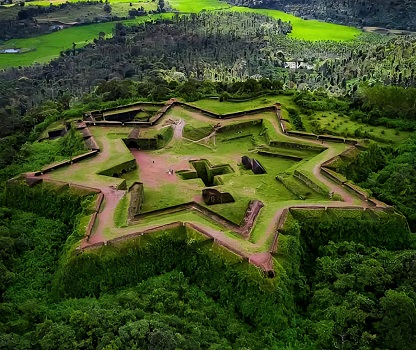
5. Manjarabad Fort: Tipu Sultan’s Misty Star
Located just 20 km from Abbi Valley Resorts, Manjarabad Fort is an 18th Century wonder that appears as if it has come directly from the pages of a medieval European war strategy book. This former fortification was constructed by Tipu Sultan in 1792, making it one of the only fortifications in the world to be constructed using french fortress design principles; one of the most notable aspects of the fort is the eight-pointed start shape of its design, which is meant to allow no blind spots or visibility obstructions to the defenders of the fort.
What You Can Expect at Manjarabad Fort: Perched at an elevation of 3,240 feet, Manjarabad Fort gets its name from Manju (Mist), which often shields the stone ramparts of the fort. Inside the fort you’ll find pyramid-shaped storages for weapons and a well that was used to collect provided rain water. Some say that if you’re lucky enough to have a clear day, you’ll be able to see the Arabian Sea shimmering in the distance from the top of the fort.
Local Tip: The fort offers the best view on the western ghats. There is telescope/viewing area located at the highest point of the fort, where you have a complete 360-degree view of the hills and valleys that surround the fort.
i) Time to go : If you arrive at 8:00 in the morning, you will be able to see the fort is coming out of the mist, creating a stunning picture. The fort is much quieter before noon than after.
ii) What to Wear: Make sure you wear good shoes, as there will be 253 steps up to the top of the fort. Due to the moss-covered stones, they can become quite slippery during the rainy season.
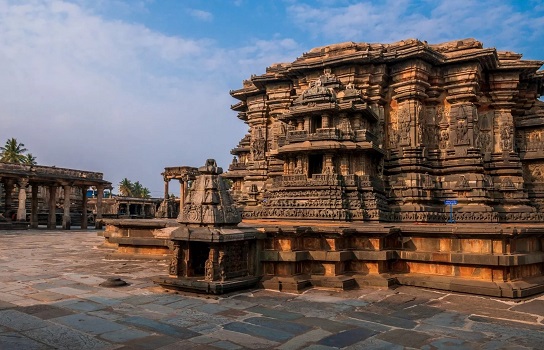
6. Belur Temple: A Masterpiece in Stone
You can reach Chennakeshava Temple in Belur by travelling 58km through the scenic Abbi Valley Resorts. This temple exemplifies Hoysala architecture and is registered by the United Nations Educational, Scientific and Cultural Organization (UNESCO) as a World Heritage site. The temple represents a military victory for a king, and was constructed entirely from soapstone, allowing for incredibly detailed sculpting of figurines that resemble lace instead of rock.
The temple exudes a strong sense of historical representation. Every inch of the building features some unique aspect of history, including the incredibly detailed carvings of Madannikoru (the female dancers) and the detailed carvings of elephants and horses. The craftsmanship is simply incredible. One feature of the temple is the “Gravity Pillar,” which stands upright on its own weight, and has a ceiling that appears to be carved with a flowering lotus; it appears to be floating, against the principles of weightlessness established in stonework.
Local Tip:
Get a Tour Guide: You’ll gain a greater appreciation of the stories of the sculptures, such as the woman gazing into a mirror and the man holding an arrow, if you hire a tour guide who is knowledgeable about these works.
Avoid the Heat: You’ll be walking barefoot on the stone courtyard, so visit before 10:30 AM or after 4:00 PM to avoid burning your feet during the hot afternoon sun.
Day Trip with Another Temple: Halebidu is only 16 km away from the site and is referred to as “sister temple” because both temples are connected to Karnataka’s royal lineage.